NORTH AFRICA • ATACAMA • MEDITERRANEAN COAST
More Efficient
Fog-Water Harvesting
A scalable water supply technology capable of creating new markets: from urban development to agriculture and ecosystem restoration projects
YIELD
30 L / M² / DAY
FOOTPRINT
PASSIVE
ENERGY
ZERO

Problem
Global Water Scarcity –
A Trillion-Dollar Market.

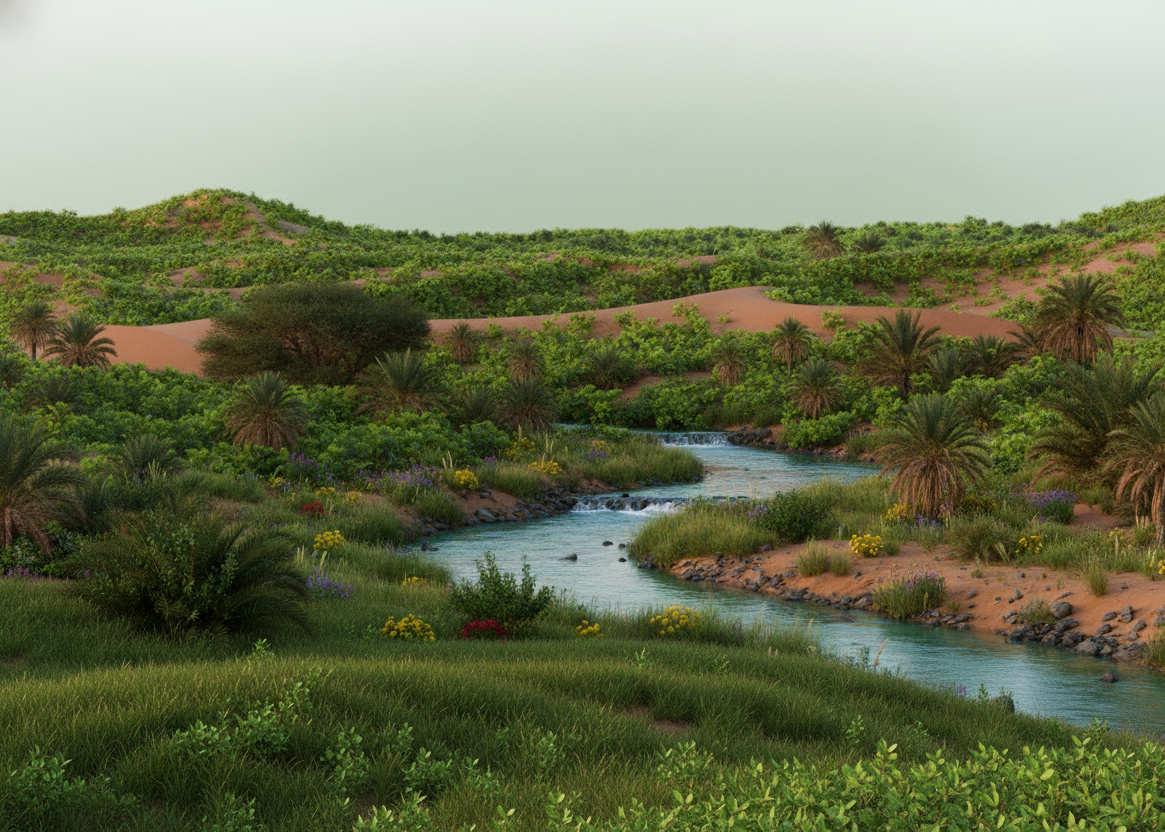
Fog is the most abundant, least-tapped freshwater reservoir on Earth – 12,900 km³ of moisture suspended above land at any moment.
Market
Global Water Scarcity –
A Trillion-Dollar Market.
2.2B PEOPLE
UNDER WATER STRESS
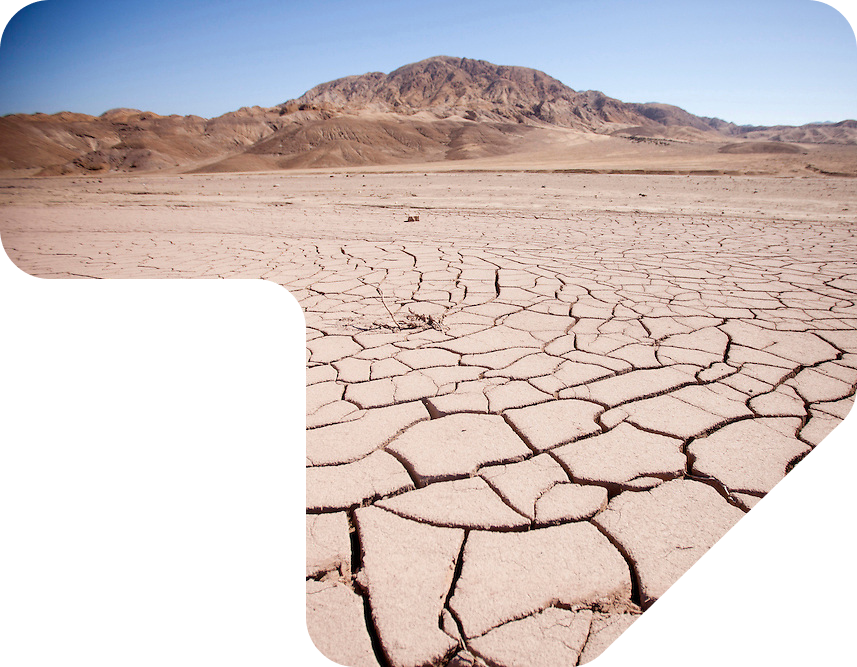
Global Water Demand Is Rising Faster Than Infrastructure Can Adapt
More than 2 billion people already live in regions experiencing severe water stress, and this number continues to grow as climate change accelerates desertification and population density in vulnerable areas.
Arid and semi-arid regions are among the fastest urbanizing territories in the world, creating unprecedented pressure on outdated water systems.
Agriculture, industry, tourism, and residential development are competing for increasingly limited freshwater resources. Traditional water sourcing methods are no longer capable of scaling sustainably to meet future demand.
Without decentralized and climate-resilient solutions, entire regions face long-term instability, declining food security, and economic vulnerability.
Conventional Water Infrastructure Requires Massive Capital Expenditure
Conventional Water Infrastructure Requires Massive Capital Expenditure
Large-scale desalination plants, pipelines, reservoirs, and water transportation networks demand billions in upfront investment, years of construction, and continuous operational maintenance.
In many remote or developing regions, such infrastructure is economically unrealistic or geographically impossible to deploy efficiently. Even in developed economies, expanding centralized water systems often creates long approval cycles, environmental concerns, and rising operational costs.
The future of water resilience depends not only on scale — but on flexibility, decentralization, and lower infrastructure dependency.
ORINEUS explores alternative atmospheric water harvesting systems designed to reduce barriers to water accessibility while minimizing energy intensity and deployment costs.
Water Transportation Is Economically and Environmentally Unsustainable
Transporting water by truck remains one of the most common emergency solutions in water-scarce regions — yet it is among the least sustainable.
Water logistics involve high fuel consumption, elevated carbon emissions, infrastructure degradation, and long-term financial inefficiency. Communities that rely on transported water often face unstable pricing, inconsistent supply chains, and dependency on external distribution systems.
As energy prices rise and climate volatility increases, trucking water becomes increasingly impractical as a permanent solution.
Localized atmospheric water generation presents an opportunity to reduce dependence on fragile logistics networks while enabling more autonomous water access.
Existing Technologies Have Critical Limitations
Traditional fog harvesting systems have demonstrated the potential of capturing atmospheric moisture, but most existing fog nets remain constrained by low efficiency, limited scalability, and dependence on highly specific climate conditions.
At the same time, desalination technologies — while effective at scale — remain energy-intensive, capital-heavy, and environmentally complex due to brine disposal and infrastructure demands.
The gap between affordability, sustainability, and scalability remains unresolved.
ORINEUS is focused on advancing next-generation atmospheric water collection technologies that aim to significantly improve efficiency, adaptability, and deployment potential across diverse environments.
Investor takeaway
Capital efficiency
Time-to-revenue
Solution
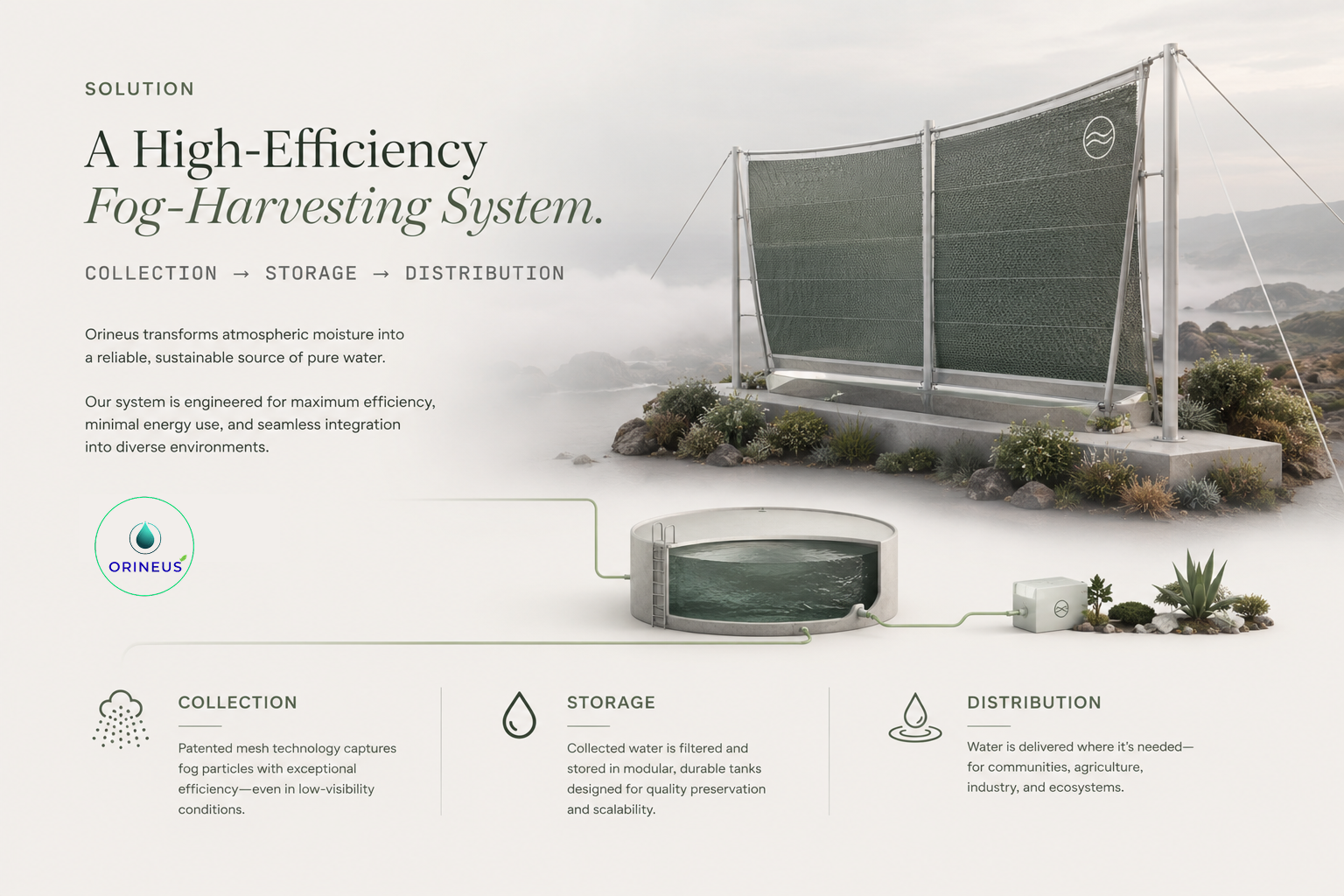
A High-Efficiency
Fog-Harvesting System.
Collection → Storage → Distribution
Up to ~30× Output
Engineered fiber surface delivers up to ~30× the yield per m² of legacy fog nets.
Resilience
Built for high wind, UV exposure, and saline coastal air. 30-year structural life.
Full Stack
Collection, storage, and distribution as one integrated system – not a single device.
Scale-Ready
From 100 m² pilots to regional grids. Modular, replicable, low entry barrier.
ADVANTAGE
A Technological Leap,
Not an Increment.
Higher returns
per unit of CapEx
Performance
Up to 30x higher water output per m² versus traditional fog nets.
/01
30yr
/02
∞
/03
4in 1
/04
Opportunity
Multiple Markets,
One Foundation.
revenue streams
01 · URBAN
02 · MUNICIPAL
03 · AGRICULTURE
04 · ESG
05 · REMOTE ACCESS
06 · B2G / B2B
Economics
Economic
Efficiency.
monetization
Investor logic
€/m³
Reduced cost of water production
OpEx
Minimal — passive system, no fuel, no pumps
Logistics
Localization
Production close to demand, monetized in-region
Impact
Measurable
Social & Environmental
Impact.
Aligned with
ESG mandates
Improved access to water
New employment opportunities
Increased biodiversity

ESG investors
Development funds
Government programs
Scale
From Pilot Projects to Global Deployment.
High reproducibility
Stage 01
Pilot
Validated installations producing water within months of deployment.
Stage 02
Regional
Stage 03
Global
Entry barrier
Aligned with water-tech & climate mandates
Reproducibility
Partnership model
Timing
The Perfect Time
to Enter the Market.
the technology
was missing

Climate Crisis
DRIVER · 01
Drought conditions intensifying across populous arid regions.

Water-Tech Capital
DRIVER · 02
Record investment flowing into water-tech across funds and corporates.
ESG Demand
DRIVER · 03
Institutional mandates requiring measurable water and climate impact.
No Effective Alternative
DRIVER · 04
Desalination too capital-intensive; legacy fog nets too inefficient.
Laboratory results
Proven Performance,
Measured in the Lab.
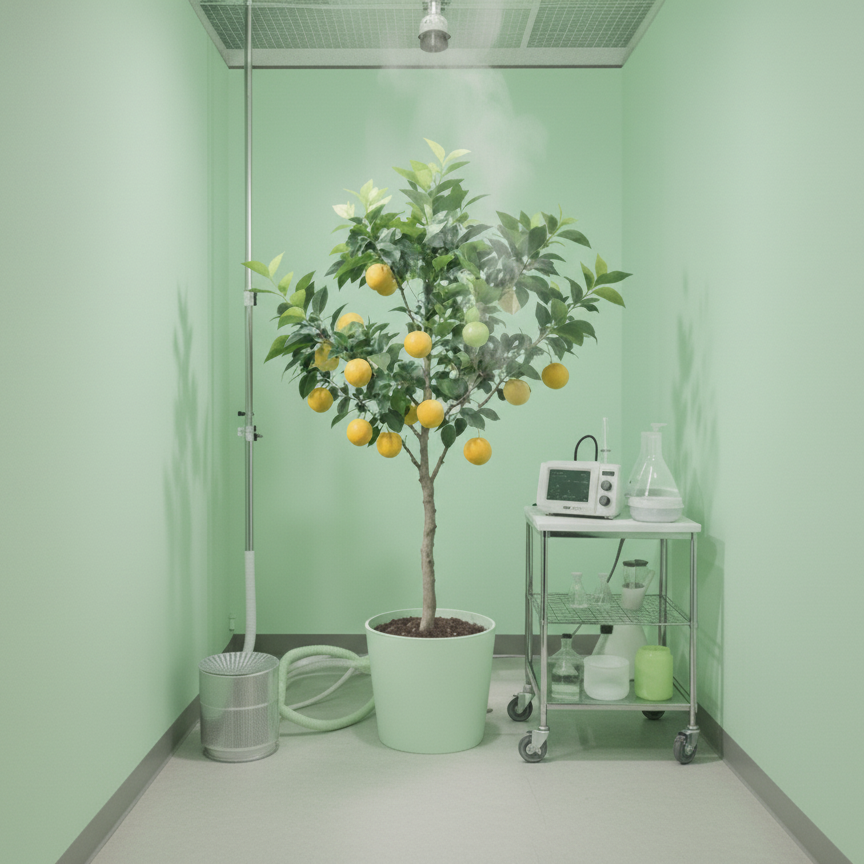
Laboratory Setup
140ml/h
/01
3ml/h
Non-Activated Technology
/02
46.7×
/03
Laboratory Result
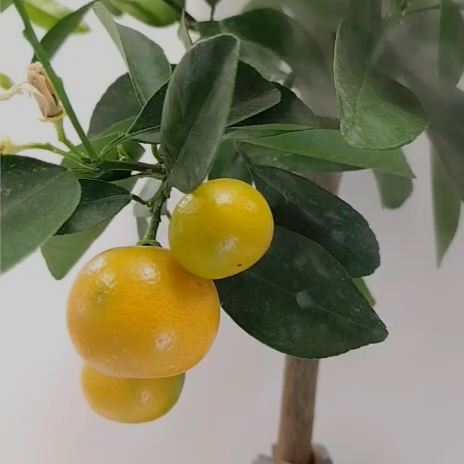
Every performance claim made by ORINEUS is based on controlled laboratory measurement. Before any field deployment, prototype fog harvesting systems were subjected to rigorous testing under simulated fog conditions — varying droplet size, airflow velocity, and surface saturation levels. Results consistently demonstrated collection efficiency up to ~30× higher than standard fog nets at equivalent surface area. Structural integrity was validated under sustained wind loads and UV exposure, confirming the 30-year design lifespan across environmental stress cycles. The data below reflects verified output from laboratory trials conducted on pre-production mesh samples. Results form the technical foundation of all yield projections presented to partners and investors.